

Gynecological operating tables and regular operating tables have different purposes in surgical procedures, both to meet specific surgical needs. The following are the main differences between the two:
1. Design and Structure
Gynecological operating table:
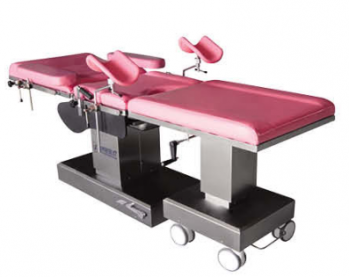
-Professional Design: These operating tables are specifically designed for gynecological surgeries such as pelvic examinations, childbirth, and surgeries involving the female reproductive system.
-Adjustable leg support: equipped with adjustable foot pedals or leg rests to different positions, providing surgeons with the best access to the pelvic area.
-Forward and backward tilt: These positions are usually easier to adjust to accommodate various gynecological surgeries.
-Incisions and channels: There are usually incisions or detachable parts for better access to the perineal area.
Ordinary operating table:
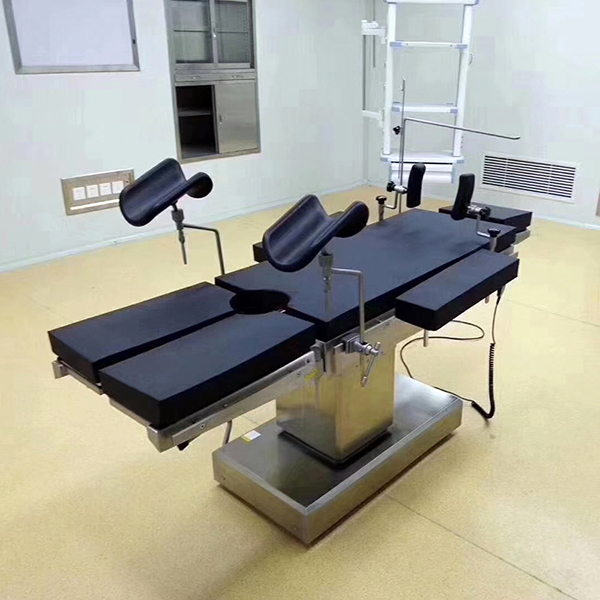
-Multifunctionality: Designed for various surgeries in different specialties, not limited to gynecology.
-Basic adjustability: can adjust different positions, such as lying flat, supine, supine, tilting, and flexion/anti flexion.
-Interchangeable attachments: can include various attachments, which can be added or removed according to the type of surgery.
2. Function
Gynecological operating table:
-Enhance accessibility: Provide specific positioning aids to improve accessibility in the lower abdomen and pelvic region.
-Patient positioning: including functions that help position the patient in a supine position (with both legs on the ground) or other gynecological positions.
-Comfort and Stability: Designed to provide stability and comfort to patients during typically longer surgical procedures.
Ordinary operating table:
-Widely applicable: Suitable for various surgeries, including orthopedics, cardiology, neurosurgery, and general abdominal surgery.
-Wide range of positions: adjustable to support different surgical positions, such as prone, supine, lateral, and sitting.
-Greater weight-bearing capacity: typically designed to support a larger range of patient weights and body types, reflecting the diversity of surgical procedures.
3. Accessories and Accessories
Gynecological operating table:
-Special accessories: including gynecological leg kicks, leg rests, and sometimes other accessories such as arm supports and gynecological surgical instrument trays.
-Diagnostic integration: It can integrate devices used for diagnostic procedures, such as hysteroscopes or vaginoscopes.
Ordinary operating table:
-Modular Accessories: With modular accessories, it can be applied to specific surgeries, such as headrests for neurosurgery, foot pedals for foot surgery, or arm pedals for general surgery.
-Wide compatibility: compatible with various surgical instruments and auxiliary equipment.
4. Size and Mobility
Gynecological operating table:
-Compact and special: usually more compact, suitable for specialized gynecological or obstetric operating rooms.
-Easy to locate: Designed for easy repositioning to meet the special needs of gynecological surgery.
Ordinary operating table:
-Larger and more versatile: usually larger, it can meet the needs of various surgical procedures.
-High mobility: typically equipped with wheels and braking systems, making it easy to move and position within the operating room.
In summary, although both types of operating tables are designed to provide a stable and adjustable platform for surgical procedures, gynecological operating tables are specifically designed for gynecological surgeries and have special functions such as leg kicking and enhancing accessibility to the pelvic area. The ordinary operating table is designed for a wide range of surgical procedures, with multifunctionality and multiple adjustable positions and attachments.
Post time: Aug-25-2025