

The shadowless lamp has always attracted the attention of countless people. It successfully replaced ordinary incandescent lamps as a lighting tool in the operating room. So, what is the design reason for it, and what are its advantages over ordinary light bulbs? Below, the shadowless lamp manufacturer will answer for you:
The reason why surgical shadowless lamps can be used for surgical lighting must be related to their light source. Surgical shadowless lamps are used to illuminate the surgical site for better observation of small, low contrast objects at different depths in the incision and body cavity. Do you know the design reason for shadowless lamps, and why they can quickly replace ordinary lighting? Below is an answer for everyone:
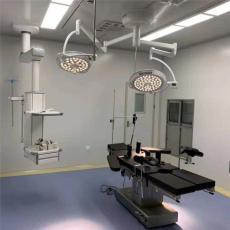
Due to the possibility of interference shadows caused by the surgeon’s head, hands, and instruments on the surgical site, shadowless lamps should be designed to minimize shadows and reduce color distortion to a low level.
In addition, shadowless lamps must be able to work continuously for a long time without emitting excessive heat, as overheating can cause discomfort to the surgeon and dry the tissue in the surgical area.
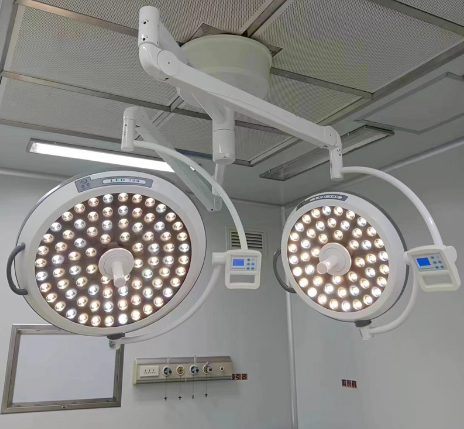
So, the lights in the operating room are used to illuminate the surgical site, and when performing surgery on patients, the light must be emitted vertically to the operating area. In this case, the requirement for shadowless lamps is very important, as it needs to illuminate brightly and regularly, and ensure that there are no shadows. The light must reach the operation on the website not only vertically, but also include at least some important components. If there are injuries mainly caused by deep vertical walls, shadowless lamps can also provide sufficient illumination. The reflective layer in operating rooms and other areas can meet the illumination from the side. Because the design is done in such a way that the light emitted by the shadowless lamp can almost shine on the vertically operated area without shadows, it will not disturb the doctor’s observation of the injured area of the patient.
Post time: Jul-23-2025