

The failures of agricultural drones are mostly caused by operational errors, maintenance deficiencies, or environmental misjudgments. By covering the entire process management of “before, during, and after operation”, the failure rate can be reduced by more than 80%, with the core being the establishment of standardized operation and maintenance norms.
The “double inspection and double testing” before homework is the foundation of fault prevention. Firstly, a comprehensive inspection of the equipment hardware needs to be completed: focus on checking whether there are cracks in the propeller and whether the installation is tight (tighten in diagonal order) to avoid blade detachment during flight; Check whether the sealing gasket of the medicine box interface is aging and whether the nozzle is blocked (water can be used to test the atomization effect), to prevent liquid leakage or spray interruption during operation; At the same time, confirm that the appearance of the battery is free of bulges and the interface is not oxidized. Use a dedicated detector to test the cell voltage (the individual voltage should be in the range of 3.7-4.2V) to prevent power loss in the air caused by battery depletion. Secondly, it is necessary to calibrate the environment and parameters: check the GPS signal strength of the work area through the APP (with ≥ 10 satellites), and avoid signal obstruction areas such as high-voltage electricity and forests; Calibrate the compass (stay away from metal objects and complete horizontal and vertical calibration) to prevent drift caused by magnetic interference; Adjust the flight height (usually 1-2m from the crop canopy) and speed based on crop height (such as 30cm for wheat and 2m for fruit trees) and wind speed (≤ 5 levels) to avoid triggering motor protection due to excessive load.
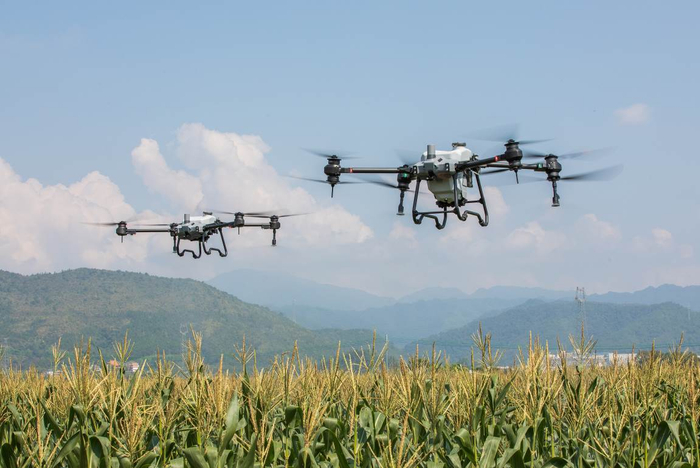
Real time monitoring and emergency response in homework are key to fault interception. During flight, it is necessary to monitor core data in real-time through the remote control: whether the motor speed is stable (fluctuation range should be ≤ 50 revolutions per second), the remaining battery power (if it is less than 20%, return immediately), and whether the flight attitude is level. If there are abnormalities such as “motor abnormal noise” or “body tilt”, the “one key hover manual return” operation should be immediately executed to avoid the expansion of the fault. At the same time, it is necessary to avoid risky work behaviors: it is prohibited to work in rainy, high temperature (>35 ℃) or low temperature (<5 ℃) environments to prevent water from entering the motor or a decrease in battery activity; Avoid overloading spraying (with a single load not exceeding 110% of the rated load of the aircraft) to prevent overheating and burning of the ESC; During the homework gap, the battery and motor should be allowed to cool naturally (with the temperature dropping below 30 ℃) before proceeding to the next round of work to avoid component aging caused by continuous high temperatures.
Deep maintenance and storage management after homework is the core of extending lifespan. After each assignment, the equipment needs to be thoroughly cleaned: rinse the medicine box and spraying pipeline with clean water (if corrosive pesticides are used, soak them in alkaline solution for 10 minutes) to prevent residual crystallization of the medicine from blocking the nozzle; Wipe the body and motor with a dry cloth to remove dust and pesticide residues, and prevent metal parts from rusting. Secondly, it is necessary to maintain the core components: after every 50 acres of operation, apply special lubricating oil to the motor bearings to reduce wear and tear; Check the battery cell balance every 3 months (activate the balance function through the charger) to avoid excessive cell voltage difference; Regularly update the firmware of the flight control system, fix software vulnerabilities, and improve device stability. Finally, it is necessary to standardize the storage environment: store the drone and battery in a dry and ventilated room (temperature 10-25 ℃, humidity ≤ 60%), and the battery should maintain a remaining charge of 50% -70% to avoid long-term full or low battery storage and prevent cell bulging.
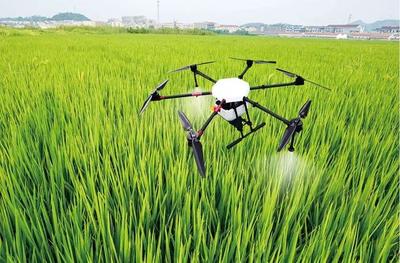
In addition, the professional competence of operators is the fundamental guarantee for preventing malfunctions. It is recommended to obtain a pilot certificate through official training, familiarize oneself with the operation parameter settings of different crops and terrains, and master basic troubleshooting skills (such as checking line contact when the motor is not rotating, recalibrating GPS when positioning drift) to avoid faults caused by improper operation. By building a dual protection system of “full process standardization+professional capabilities of personnel”, agricultural drone failures can be minimized to the greatest extent possible, ensuring efficient and safe operations.
Post time: Nov-03-2025