

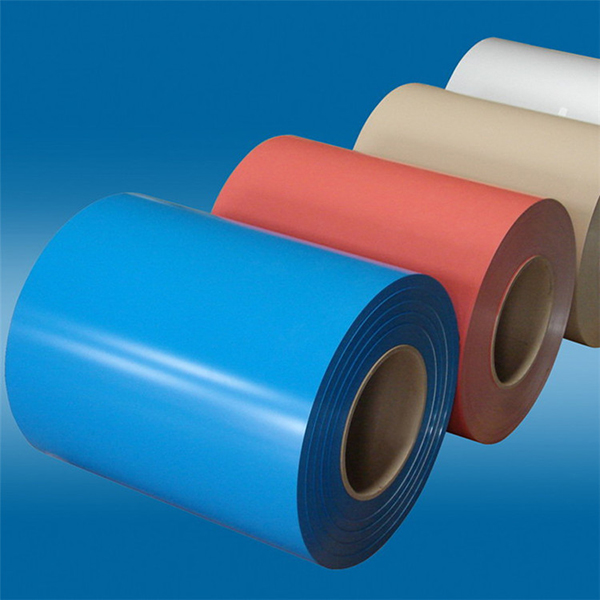
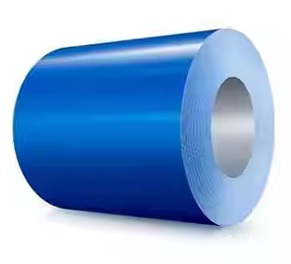
The aging of color steel coils is mainly caused by coating oxidation, substrate corrosion, and external environmental erosion. By combining “source protection+daily maintenance”, its service life can be significantly extended. The measures are as follows:
1. Choose high weather resistant raw materials
To reduce the risk of aging from the source, the substrate and coating with anti-aging properties are preferred. It is recommended to choose hot-dip galvanized steel sheets with a zinc content of ≥ 120g/㎡ as the substrate. The zinc layer can form a dense oxide film, isolating air and moisture; The coating should use fluorocarbon paint (PVDF) or silicon modified polyester paint (SMP). The former has the best weather resistance and can be used outdoors for 20-30 years, while the latter has a high cost-effectiveness and is suitable for moderate corrosive environments, avoiding the use of low weather resistant coatings such as ordinary polyester paint (PE).
2. Standardize production and storage processes
The production process needs to control the coating thickness (dry film thickness ≥ 50 μ m) to ensure that the coating is uniform and free of omissions and pinholes; When storing, the color steel rolls should be stored in a dry and ventilated indoor warehouse. The bottom should be elevated by more than 30cm with a wooden frame to avoid direct contact with the ground and moisture. At the same time, they should be kept away from corrosive substances such as acid, alkali, and salt spray. A 5-10cm gap should be reserved between the rolls for ventilation to prevent local high temperature and humidity from causing coating adhesion or substrate corrosion.
3. Optimize installation process
Installation is a key step in preventing aging, and it is necessary to avoid coating damage and structural water accumulation. Use specialized fixtures for fixation during installation to reduce direct penetration of screws through the board (if penetration is required, waterproof washers should be added at the screw location); The overlap length of the board must comply with the specifications (horizontal overlap ≥ 10cm, vertical overlap ≥ 15cm), and the slope should be controlled at ≥ 5 ° to prevent rainwater accumulation and infiltration; After installation, seal the joints, ridges, eaves and other nodes in a timely manner, and use weather resistant sealant (such as silicone glue) to prevent moisture from seeping into the gaps and corroding the substrate.
4. Carry out daily cleaning and maintenance
Regular cleaning can prevent pollutants from accelerating aging. It is recommended to rinse the surface of the color steel coil with clean water every six months to remove dust, fallen leaves, bird droppings, and other debris; If there are oil stains or mold spots on the surface, neutral detergent (such as dishwashing detergent) can be used to wipe it. Strong acid or alkali cleaning agents are prohibited to prevent corrosion of the coating; Avoid using hard brushes or steel wire balls during cleaning to prevent scratching the coating and damaging the protective barrier.
5. Timely repair of coating damage
If the coating is found to be damaged, it should be dealt with immediately to prevent the substrate from being exposed and rusting. Small scratches (≤ 2mm) can be sanded with sandpaper until there is no rust, and then repaired with the same color paint; For large-scale coating peeling (≥ 10cm ²), the loose coating should be removed first, rust should be removed, and then a primer (such as epoxy zinc rich primer) should be applied, followed by a topcoat to ensure that the repaired area is consistent in color and thickness with the original coating, and to avoid color differences that may cause differences in local aging rates.
6. Do a good job in anti-corrosion protection
For highly corrosive environments such as the seaside and near chemical plants, additional protection measures need to be taken. Anti corrosion protective film (such as polyvinyl chloride film) can be pasted on the surface of the color steel coil, or weather resistant gloss paint can be sprayed regularly (every 3-5 years) to enhance the coating’s resistance to salt spray and chemical corrosion; At the same time, drainage ditches should be set up around the color steel buildings to timely divert corrosive rainwater and reduce the long-term soaking of the boards by rainwater.
7. Avoid external mechanical damage
External impact can directly damage the coating and substrate, and protective measures should be taken. In areas with frequent personnel activities (such as under vehicles in factories), protective barriers or buffer pads can be installed; During high-altitude operations, it is prohibited to directly smash tools onto the surface of the color steel coil. When transporting the coil, special lifting equipment should be used to avoid collision and deformation of the coil edge, which may cause coating cracking.
8. Regular inspection and evaluation
Establish a regular inspection mechanism, conducting comprehensive inspections once a year in spring (before the rainy season) and autumn (before the typhoon season), focusing on checking whether the coating has faded, powdered, or peeled off, whether the board has rust or deformation, and whether the sealant has cracked or aged; Discover problems in a timely manner and develop repair plans to prevent small issues from developing into large-scale aging, ensuring that the color steel coil is always in good protective condition.
Through the above measures, the aging process of color steel coils can be effectively delayed, extending their service life from the conventional 10-15 years to over 20 years, while reducing later maintenance costs.
Post time: Oct-08-2025