

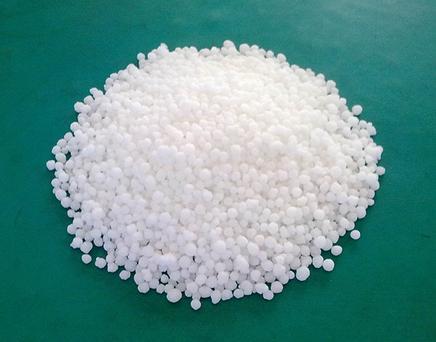
Although urea is the most commonly used nitrogen fertilizer in agricultural production, not all crops are suitable for large-scale application at any time. Excessive application of urea can lead to excessive crop growth, decreased stress resistance, deteriorated quality, and even fertilizer damage. The following are several types of crops that cannot be treated with excessive urea and their reasons:
1. Avoid chlorine crops (sensitive crops)
Although urea itself does not contain chlorine, small amounts of biuret or other chlorine containing impurities may be mixed in during the production process, and excessive application of nitrogen fertilizer can reduce crop tolerance to chloride ions. More importantly, chlorine tolerant crops are usually sensitive to nitrogen, and excessive nitrogen application can lead to severe quality decline.
Typical crops: tobacco, potatoes, sweet potatoes, sugar beets, sugarcane, watermelon, grapes, citrus, tea, flax, etc.
• Hazards:
Tobacco: Excessive nitrogen application can cause tobacco leaves to become green and mature later, thinning the leaves, darkening the color after baking, reducing the aroma, and resulting in poor quality.
◦ Potatoes (potatoes, sweet potatoes): Excessive nitrogen can cause overgrowth of stems and leaves above ground, hinder the expansion of underground tubers, and significantly reduce starch content.
Beet and sugarcane: Excessive nitrogen application can reduce sugar content, increase fiber content, and affect sugar production rate.
Watermelon and grapes: Excessive nitrogen application can cause fruit discoloration, low sweetness, light taste, and easy cracking.
2. Leguminous crops
Leguminous crops have rhizobia in their roots, which have nitrogen fixation ability and can convert nitrogen from the air into the nitrogen they need.
• Typical crops: soybeans, peanuts, broad beans, peas, milkvetch, etc.

• Hazards:
Moderate application of urea during the seedling stage can promote the formation of rhizobia, but excessive application of urea during the flowering and podding stages can inhibit the nitrogen fixation activity of rhizobia, leading to “lazy seedlings”, which rely solely on fertilizer nitrogen without biological nitrogen fixation, resulting in fertilizer waste.
Excessive nitrogen application can also lead to overgrowth, lodging, reduced pod setting rate, and decreased yield of leguminous crops.
3. Starch crops
The yield formation of starch crops mainly relies on the accumulation of carbohydrates, and there is a certain limit to the demand for nitrogen.
Typical crops: corn (later stage), wheat (later stage), rice (later stage), cassava, etc.
• Hazards:
Applying more urea during the later stages of growth can lead to plants being too green and late maturing, which not only affects mechanical harvesting but also reduces the starch content of grains or tubers.
If excessive nitrogen is applied to cereal crops such as corn and wheat from the jointing stage to the filling stage, it can lead to thin and weak stems, a significant decrease in lodging resistance, and a high risk of lodging.
4. Flowering and fruiting vegetables and fruit trees
This type of crop has a relatively low demand for nitrogen during the reproductive growth stage (flowering, fruiting stage), but a high demand for phosphorus and potassium.
Typical crops: tomatoes, cucumbers, eggplants, peppers, apples, pears, peaches, etc.
• Hazards:
Falling flowers and fruits: Excessive nitrogen can lead to excessive nutrient growth (excessive growth of branches and leaves), competing for nutrients needed for reproductive growth, resulting in severe flower and fruit drop.
Abnormal fruit: such as hollow fruit and cracked fruit in tomatoes, and physiological diseases such as bitter acne in apples.
◦ Not resistant to storage: The fruit cells are too large, the cell walls become thinner, and they are prone to rot after picking, resulting in a shortened shelf life.
5. Crops with shallow roots and weak fertilizer absorption ability
These crops are very sensitive to fertilizer concentration, and excessive application of urea can cause soil solution concentration to be too high, leading to root reverse osmosis dehydration (root burning).
Typical crops: young leafy vegetables such as strawberries, watermelons (seedling stage), cucumbers (seedling stage), lettuce, etc.
• Hazards:
Excessive application of urea during the seedling stage can easily cause “burning of seedlings”, manifested as leaf edges becoming scorched and withered, root systems turning black and rotten, and even whole plant death.
6. Saline alkali crops
Crops grown on saline alkali land have a high pH value in the soil itself and contain a significant amount of sodium ions.
• Hazards:
Excessive application of urea can hydrolyze and produce a large amount of ammonium ions in the soil, increasing soil alkalinity and exacerbating salt alkali hazards.
At the same time, high concentrations of nitrogen will further reduce the salt tolerance of crops, leading to stunted crop growth.
summary
The crops that cannot be treated with excessive urea mainly include:
1. Avoid chlorine and quality sensitive crops (tobacco, potatoes, sugar beets, fruit trees) – prevent quality decline.
2. Legumes (soybeans, peanuts) – the ability to prevent and fix nitrogen has declined.
3. Flowering and fruiting crops (tomatoes, fruit trees) – prevent falling flowers, fruits, and excessive growth.
4. Seedlings and root sensitive crops (strawberry, leafy vegetable seedlings) – heat-resistant seedlings.
5. Saline alkali crops – prevent the aggravation of saline alkali hazards.
In practical production, the principle of “small amount, multiple times” should be adopted according to the fertilizer requirements of crops, and combined with the application of phosphorus and potassium fertilizers, in order to achieve high yield and high quality.
Post time: Jan-26-2026