

The corrosion resistance of galvanized coils is mainly achieved through the chemical properties and physical protection of the surface galvanized layer, which can be divided into the following key mechanisms:
1. Physical barrier effect
The zinc layer tightly covers the surface of the steel plate, forming a continuous physical barrier that isolates the steel plate from external water, oxygen, and corrosive media (such as salt and pollutants), preventing these substances from directly contacting the surface of the steel plate and thus avoiding oxidation corrosion of the steel plate.
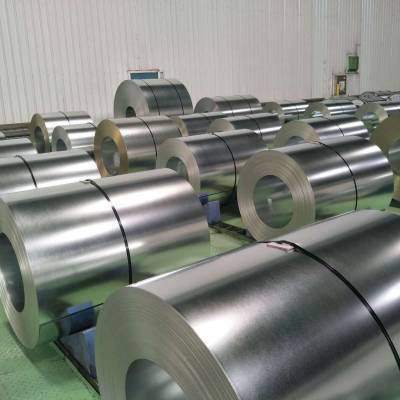
2. Sacrificial anode protection (electrochemical protection)
The chemical activity of zinc is higher than that of iron (the main component of steel plates). When the galvanized layer is damaged (such as scratches, holes) and the steel plate is exposed to a corrosive environment, zinc will preferentially undergo oxidation reaction over iron (i.e. zinc acts as a “sacrificial anode” and is corroded), generating electrons through its own dissolution to suppress iron oxidation (rusting), indirectly protecting the steel plate from corrosion.
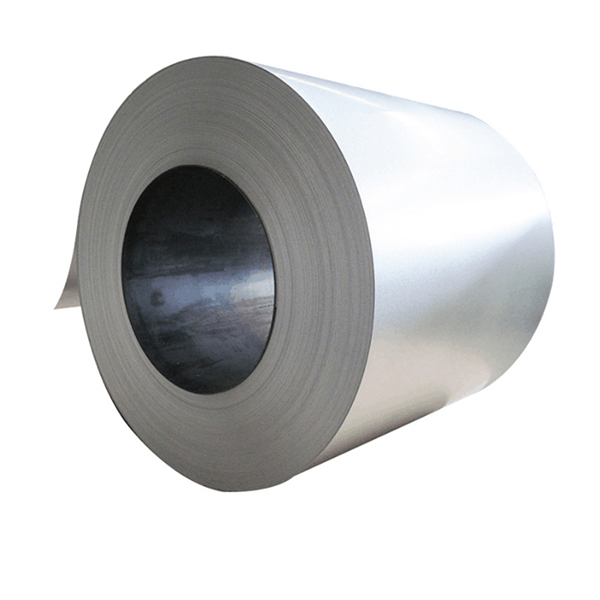
3. Passivation of zinc layer and formation of oxide film
Zinc naturally forms a dense oxide film in the air (mainly composed of zinc oxide and zinc hydroxide), which can further prevent the zinc layer from being continuously corroded and enhance the protection of the steel plate.
Some galvanized coils will also form a more stable passivation film through post-treatment (such as passivation treatment), further improving corrosion resistance and extending the protection period.
Through the above multiple mechanisms, galvanized coils can be directly protected by physical isolation, and can also sacrifice their protective substrate through electrochemical action in the event of local damage, thereby achieving excellent corrosion resistance.
Post time: Jul-28-2025