

The spraying accuracy of agricultural drones is relatively high, usually reaching centimeter level. Its accuracy is affected by various factors, as follows:
Positioning system: High precision GNSS technology is key to ensuring spraying accuracy. The Septentrio GNSS module adopts multi system and multi frequency reception technology, which can achieve a positioning accuracy of 2 centimeters horizontally and 5 centimeters vertically through real-time kinematic (RTK) technology, effectively avoiding the common signal drift problem of traditional single frequency GNSS.
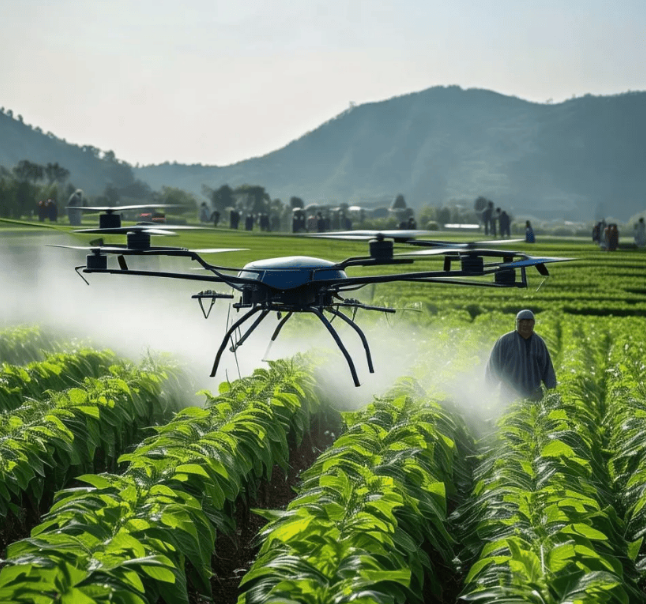
Flight control system: Multi sensor fusion navigation technology can significantly improve operational accuracy, such as the hybrid positioning scheme of LiDAR and visual SLAM, which can achieve centimeter level accuracy in complex terrain testing. Meanwhile, advanced flight control algorithms can optimize the flight path in real-time based on crop height and terrain undulations, ensuring a constant distance between the nozzle and the crop canopy.
Spray control system: Some agricultural drones use pressure pulse width joint control algorithm to control the fluctuation range of droplet size within ± 0.2mm, meeting the needs of different crops. In addition, the application of magnetic levitation pump technology can solve the leakage problem of traditional gear pumps and improve the accuracy of drug delivery.
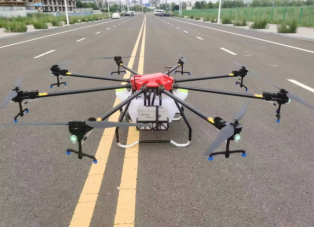
Environmental adaptability: Some high-end agricultural drones have strong environmental perception capabilities, which can analyze various environmental data in real time and dynamically adjust operational parameters. The Ruitu system can control the spraying error within 3% in a level 6 gust environment, with a disturbance response time of only 0.48 seconds, far below the industry average.
Post time: Oct-29-2025