

The essence of welding bubbles in color coated plates is that gases (such as H ₂, O ₂, CO ₂, etc.) do not escape in a timely manner before the molten pool solidifies, forming pore defects. The causes involve three dimensions: materials, processes, and environment, and targeted control measures need to be taken to avoid the occurrence of problems.
1、 The core cause of bubble formation
1. Material level
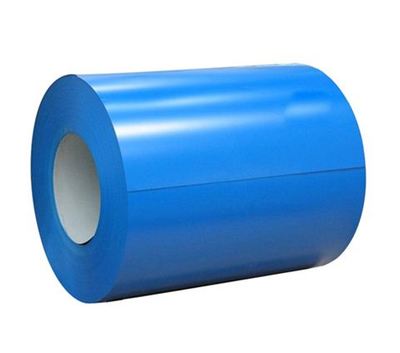
Coating residue: Organic coatings (polyester, fluorocarbon, etc.) on the surface of color coated plates decompose at high temperatures, releasing gases such as CO ₂ and H ₂ O. If the coating in the weld area is not removed before welding, the gases will directly enter the molten pool.
Substrate/welding wire impurities: Impurities such as sulfur and phosphorus in the substrate, or moisture or rust in the welding wire, can release H ₂ and SO ₂ during welding; Insufficient purity of protective gases (such as argon and CO ₂ mixtures) (excessive oxygen/water content) can also lead to the invasion of impurity gases into the melt pool.
2. Process level
Inappropriate parameters: Insufficient current leads to low melt pool temperature, poor fluidity, and difficulty in gas flotation; High voltage causes the arc to be too long, the protective gas coverage to fail, and air to invade; If the welding speed is too fast, the existence time of the molten pool will be shortened, and the gas will not be able to be discharged in time.
Groove/cleaning issues: The groove is not cleaned of oil stains, rust, impurities, and high-temperature decomposition gas; The groove angle is too small and the gap is uneven, resulting in a narrow gas discharge channel.
Improper operation: The tilted angle of the welding gun damages the protective gas layer, and during vertical/upward welding, the molten pool is hindered by gravity from rising.
3. Environmental aspect
Excessive humidity/wind speed: When the environmental humidity is high (>60%), moisture in the air enters the melt pool and forms hydrogen pores; A wind speed greater than 2m/s will blow away the protective gas, causing air to invade.
On site pollution: There are volatile substances such as paint and solvents in the welding area, which are heated and produce gas that enters the molten pool; Poor ventilation leads to the accumulation of harmful gases.
2、 Targeted measures to avoid bubbles
1. Material and pretreatment control
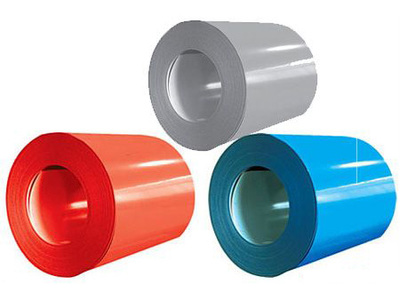
◦ Coating removal: Before welding, use an angle grinder, sandblasting, or other methods to thoroughly remove the color coating within 50mm on both sides of the weld, exposing the metallic luster of the substrate and avoiding the decomposition and gas production of the coating.
Control material quality: Select low sulfur phosphorus color coated plate substrate, dry the welding wire after opening (damp welding wire should be dried at 150-200 ℃ for 30 minutes), and the purity of the protective gas should meet the standard (such as argon purity ≥ 99.99%).
2. Optimize welding process
◦ Parameter adjustment: According to the thickness matching parameters of the color coated plate (such as using 80-120A current and 18-22V voltage for 1-2mm plate), the welding speed is controlled at 5-10cm/min to ensure that the temperature of the molten pool and the duration of existence are suitable for gas escape.
Standard groove and cleaning: The groove angle is set to 30-45 °, with a gap of 1-2mm; before welding, wipe the groove with acetone to remove oil and rust, and avoid impurities and gas production.
◦ Optimization operation: Priority should be given to flat welding, and the speed should be slowed down when welding vertically or vertically; Maintain an angle of 60-80 ° between the welding gun and the plate to ensure stable coverage of the molten pool with protective gas.
3. Environmental control
Adjust temperature and humidity control: When the workshop humidity is above 60%, turn on the dehumidifier, and avoid outdoor welding on rainy days; When the ambient temperature is less than 5 ℃, preheat the board to 30-50 ℃ to reduce the influence of moisture.
◦ Avoid on-site pollution: Keep the welding area away from paint and solvent storage points, and remove surrounding dust; When the wind speed is greater than 2m/s, build a windproof shelter to ensure that the protective air is not blown away.
Through the full process measures of “material pretreatment process optimization environmental control”, it is possible to effectively reduce welding bubbles in color coated plates, ensure the strength and sealing of welds, and meet subsequent usage needs.
Post time: Sep-23-2025