

Geomembrane is a kind of waterproof and impermeable material made of high molecular polymer as raw material, which has the characteristics of corrosion resistance, aging resistance, strong flexibility, etc. It has become an important material for improving the quality and efficiency of agricultural production and protecting and managing the ecological environment by virtue of its excellent impermeable and waterproof performance. Its application scenarios in the two fields are expanding continuously, playing an irreplaceable role.
In agricultural production, the core value of geomembranes lies in optimizing water resource utilization and improving planting and breeding efficiency. In terms of water-saving irrigation, laying geomembranes in farmland irrigation channels and reservoirs can significantly reduce water infiltration losses, with an anti-seepage rate of over 95%, effectively reducing water resource waste. It is especially suitable for agricultural water conservancy projects in arid and semi-arid areas, ensuring effective transportation of irrigation water. In the field of cultivation, geomembranes are laid on greenhouse and fruit and vegetable planting beds in facility agriculture to block vertical soil moisture leakage, maintain stable root zone humidity, inhibit weed growth, reduce herbicide use, and improve crop growth quality; In the improvement of saline alkali land, geomembranes can be laid on the bottom layer of the soil to form an impermeable layer, blocking the rise of underground saline alkali water, and cooperating with salt discharge systems to achieve soil desalination and expand the cultivable land area. In the field of aquaculture, laying geomembranes on aquaculture water bodies such as fish ponds, shrimp ponds, and reservoirs can not only prevent water leakage, but also avoid direct contact between aquaculture water and soil, reduce the spread of diseases, and facilitate pond cleaning management, thereby improving the survival rate and yield of aquaculture.
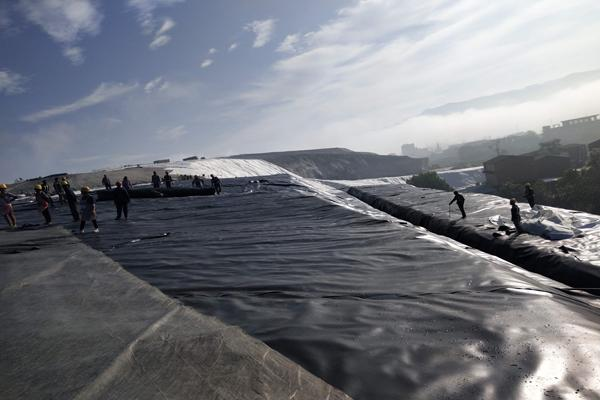
In the field of environmental protection, geomembrane is a key material for pollution prevention and ecological restoration, widely used in solid waste treatment, sewage treatment, and ecological restoration projects. In terms of solid waste treatment, domestic waste landfills and hazardous waste disposal sites need to lay geomembranes as anti-seepage liners to form a closed anti-seepage system, preventing leachate from infiltrating into underground soil and groundwater, avoiding soil and groundwater pollution, and cooperating with leachate collection systems to achieve centralized treatment of pollutants. In sewage treatment, the installation of geomembranes in sedimentation tanks, regulating tanks, oxidation ponds and other facilities of sewage treatment plants can prevent sewage leakage and ensure the sealing of the treatment system. At the same time, in rural domestic sewage centralized treatment projects, the artificial wetland anti-seepage layer constructed by geomembranes can improve sewage purification efficiency and reduce the impact on the surrounding water and soil environment. In the field of ecological restoration, geomembranes can be used for water seepage prevention and slope protection in the ecological management of rivers and lakes, to prevent water loss and slope collapse, and to cooperate with ecological vegetation planting to build a stable aquatic ecosystem; In the ecological restoration of mines, geomembranes are laid in tailings ponds and goaf areas to prevent tailings leachate from contaminating soil and groundwater, creating conditions for subsequent soil cover and vegetation restoration.
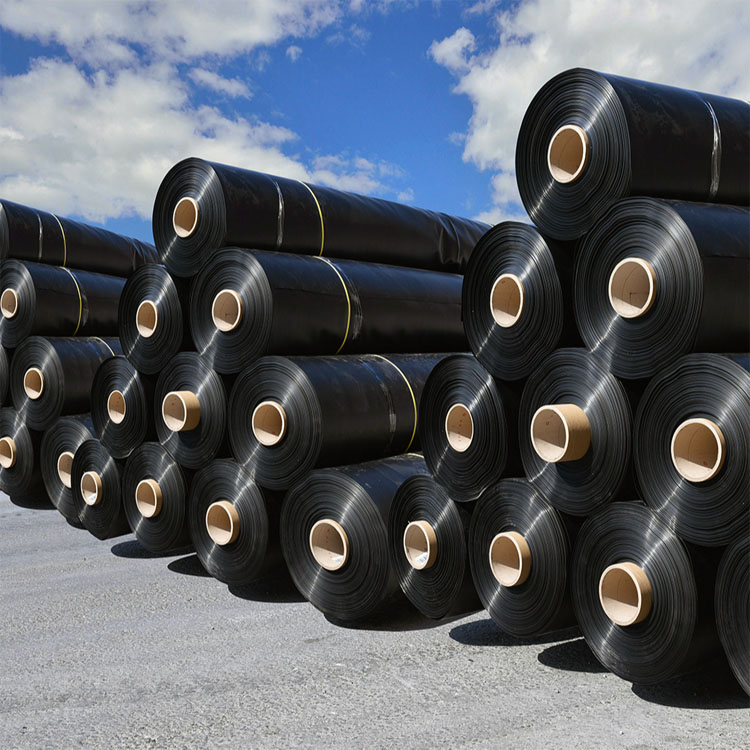
Geomembranes, with their efficient anti-seepage performance, have achieved efficient utilization of resources in agricultural production and source prevention and control of pollution in environmental protection, meeting the needs of the era of green agriculture development and ecological environment protection. With the continuous upgrading of material technology, the research and application of environmentally friendly and biodegradable geomembranes will further enhance their application value in two major fields, providing better material support for sustainable agricultural development and ecological environment governance.
Post time: Jan-28-2026