

Urea, as a neutral amide nitrogen fertilizer with a nitrogen content of 46%, is the most widely used source of nitrogen in agricultural production. It has multiple values in soil improvement, including nutrient supply, structural optimization, biological activation, and environmental regulation. It is crucial for improving soil health and farmland productivity. Scientific application of urea can restore and improve soil from multiple dimensions including physical, chemical, biological, and ecological aspects, becoming an important lever for improving farmland quality.
The core improvement effect of urea begins with efficient nitrogen supply. After being applied to the soil, urea is hydrolyzed into ammonium carbonate by urease catalysis, which is then converted into ammonium nitrogen and nitrate nitrogen, quickly replenishing the soil’s available nitrogen pool and solving the problem of nitrogen deficiency in poor soil. Adequate nitrogen promotes the development of crop roots and aboveground growth, allowing root exudates and residues to return to the soil, increasing organic matter input, and forming a virtuous cycle of “nutrient supply crop growth soil fertilization”, laying the material foundation for soil improvement.
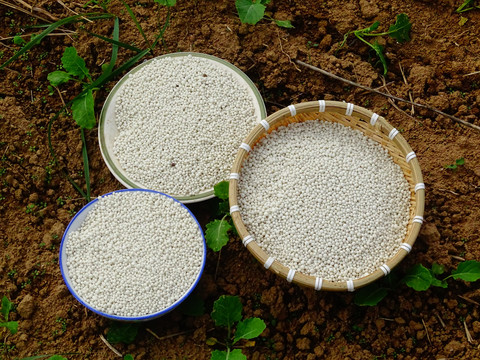
In terms of soil structure optimization, urea has a significant effect. Its decomposition process stimulates microbial activity, promotes the secretion of viscous substances such as polysaccharides and amino acids by bacterial communities, binds soil particles to form stable aggregates, reduces soil bulk density, increases porosity, and improves aeration and permeability. For compacted soil, the application of urea combined with organic fertilizer can break the compact structure and enhance water and fertilizer retention capacity; For sandy soil, it can enhance colloid adsorption, reduce nutrient leaching, and balance soil looseness and stability.
Urea is an activator of soil microorganisms. Nitrogen is a key nutrient for microbial reproduction and metabolism. Urea hydrolysis products provide quick acting nitrogen sources for bacteria, fungi, actinomycetes, etc., significantly increasing the number and activity of microorganisms and enhancing soil enzyme activities such as urease, phosphatase, and catalase. An active microbial community accelerates the decomposition and transformation of organic matter, promotes nutrient cycling, enhances soil self-cleaning ability, while inhibiting the proliferation of harmful bacterial communities and maintaining soil microecological balance.
Urea plays a buffering role in soil acid-base regulation and salinization alleviation. Urea itself is neutral, and its hydrolysis products can adjust soil pH, alleviate the acidification trend of acidic soil, and enhance the improvement effect of saline soil. The ammonium ions and carbonate ions produced by its decomposition can chelate with soil salt ions, reduce surface salt accumulation, and alleviate the damage of salt stress to crops; In heavy metal contaminated soil, microbial metabolites can form stable complexes with heavy metals, reducing their bioavailability and assisting soil remediation.
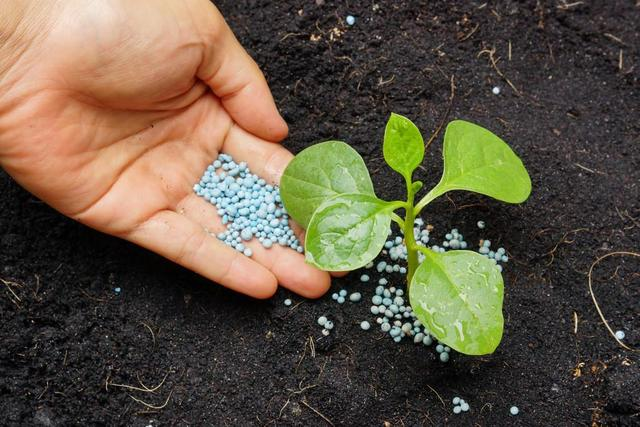
Urea can also synergistically improve soil improvement efficiency. When combined with organic fertilizer and straw returning, urea supplements available nitrogen, solves the problem of microbial “nitrogen competition” during straw decomposition, accelerates organic matter mineralization, and increases soil organic matter content; Combined with phosphorus and potassium fertilizer application, balance the proportion of soil nutrients, avoid nutrient imbalance caused by single nitrogen input, and comprehensively improve soil comprehensive fertility.
However, the application of urea needs to be scientifically controlled. Excessive and single application can easily cause ammonia volatilization, nitrification and denitrification losses, leading to soil acidification, nutrient imbalance, and even damaging soil structure. The principle of “moderate, deep, staged, and combined application” should be followed, and precise inputs should be made based on soil fertility and crop needs. Organic fertilizers and trace element fertilizers should be combined to maximize their improvement value.
In summary, urea plays multiple roles as a nitrogen supplier, structural optimization agent, microbial activator, and acid-base buffering agent in soil improvement, and is a key substance for improving farmland quality. Reasonable utilization of urea, balancing nutrient supply and soil health, can achieve coordinated development of agricultural production and ecological protection, providing strong support for sustainable utilization of arable land.
Post time: Mar-04-2026