

This article provides an in-depth analysis of how deionized ammonium phosphate (DAP) compound fertilizer, with its core advantages such as a total nutrient content of up to 64%, a precise nitrogen-to-phosphorus ratio (18:46), and a water-soluble phosphorus content of 41%, enables crops to rapidly absorb and continuously supply nutrients, significantly improving yield and quality. It also reveals its growth potential in global high-efficiency agriculture by combining agricultural application cases from Vietnam, South Korea, and Brazil. Yunnan Yingfu’s scientifically formulated fertilizer, specifically designed for high-efficiency agriculture, ensures that every granule becomes an engine for a bountiful harvest.
Deionized Ammonium Phosphate (DAP) Compound Fertilizer: Making Every Grain of Fertilizer an Engine for a Bountiful Harvest In today’s global agricultural landscape, moving towards high efficiency and sustainable development, precise nutrient supply has become crucial in determining crop yield and quality. Yunnan Yingfu’s deionized ammonium phosphate (DAP) compound fertilizer, with its high total nutrient content of 64%, scientifically formulated nitrogen-phosphorus ratio (18:46), and over 41% water-soluble phosphorus, is increasingly regarded by farmers in various countries as a “scientific formula designed specifically for high-efficiency agriculture.”
Why has DAP become a global expert in increasing yields?
For example, in Vietnamese rice paddies, the average yield per acre increased by 17% after using DAP, with enhanced leaf greenness and developed root systems—thanks to its unique rapid absorption mechanism. Unlike traditional fertilizers that require soil conversion to release nutrients, the phosphates in DAP are highly water-soluble and can be directly absorbed and utilized by plant roots, reducing loss.
More intuitive data support:
Nitrogen-to-phosphorus ratio = 18:46 — perfectly matches the peak growth requirements of most crops;
Moisture control value ≤ 0.5% — ensures storage stability and avoids clumping that affects application uniformity;
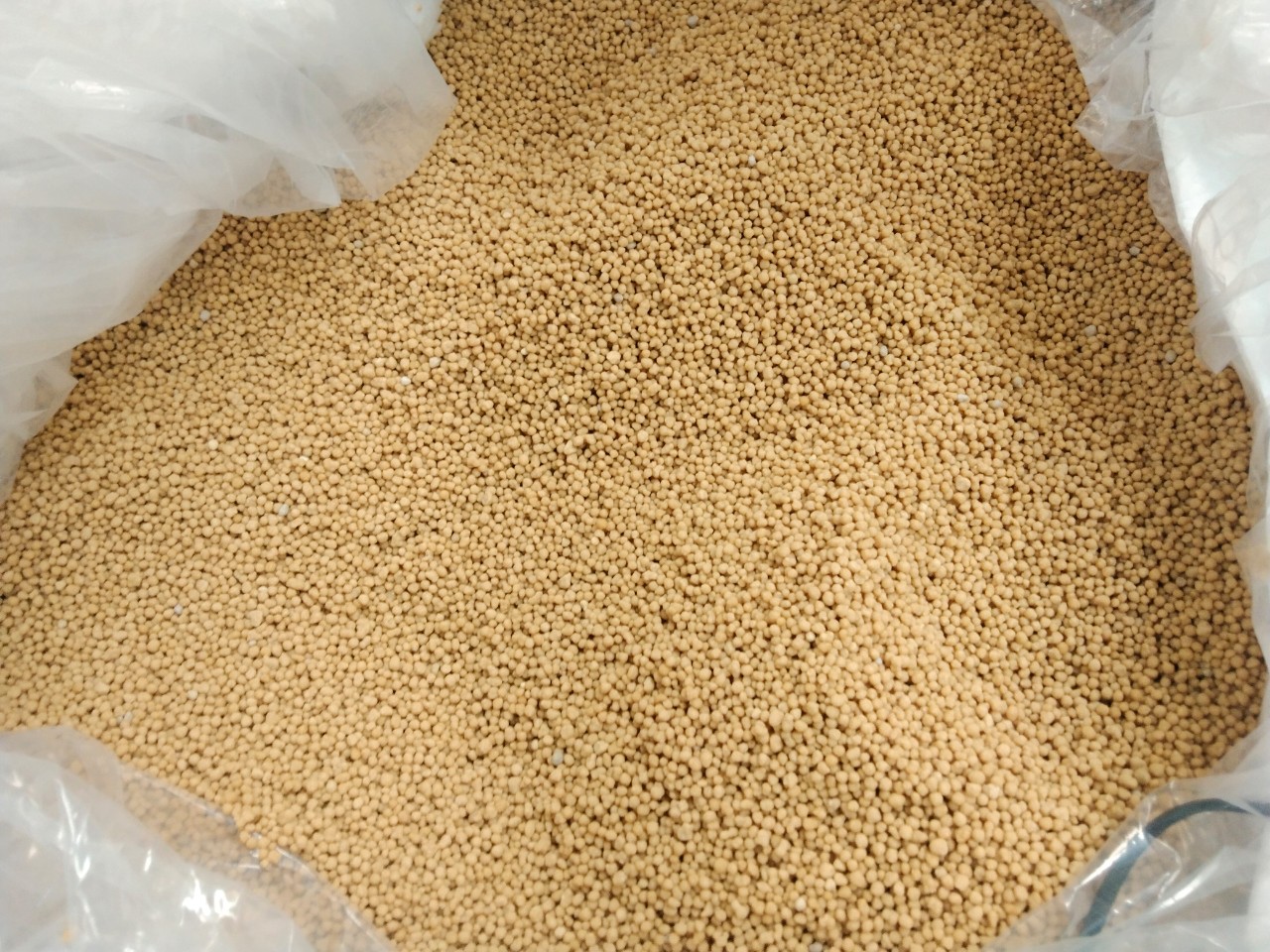
Particle size range: 2-4mm — compatible with various seeding machines, improving operational efficiency.
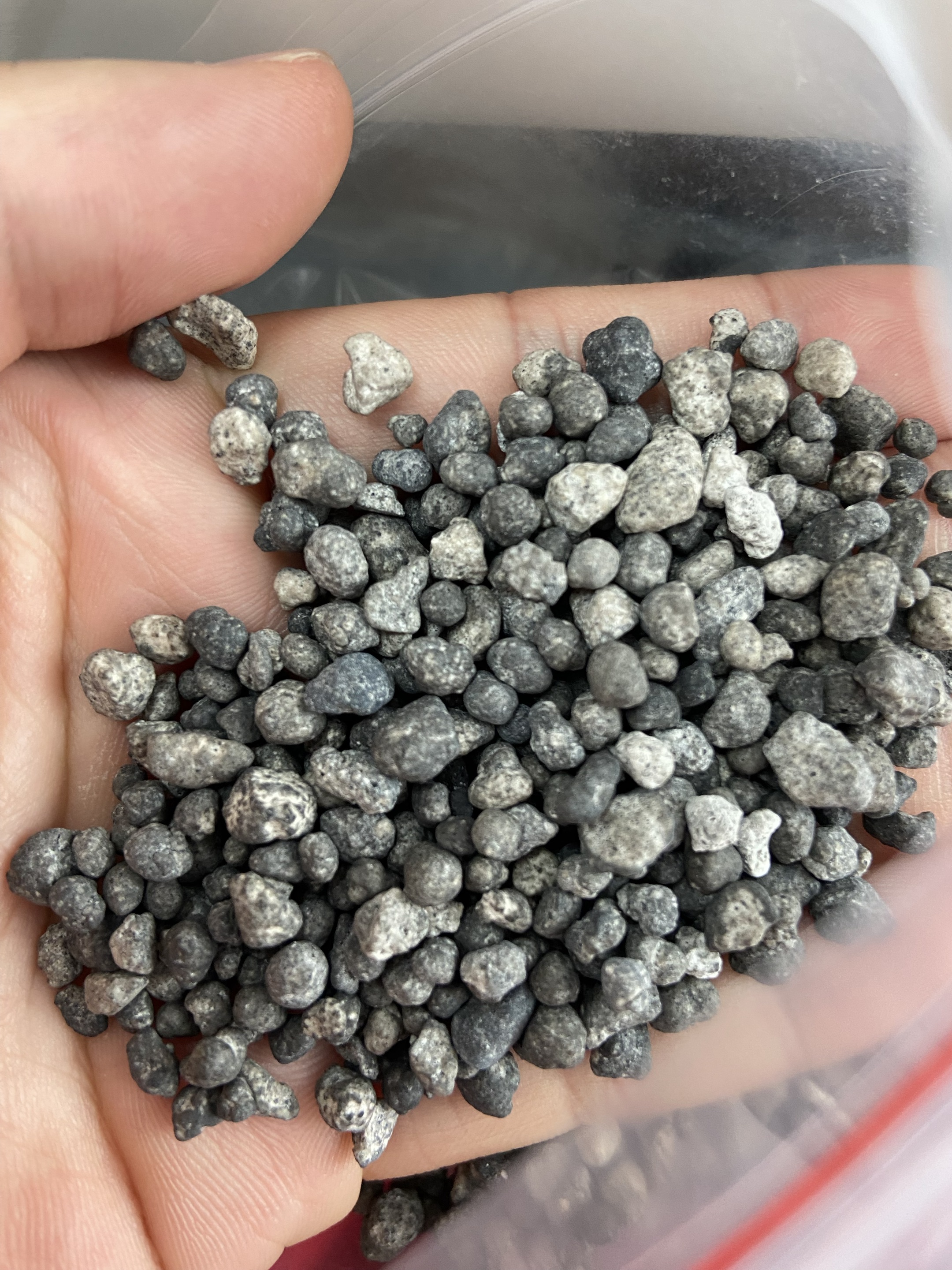
These success stories are not accidental, but rather stem from DAP’s dual optimization capabilities of “nutrient balance + stable release.” It not only promotes short-term growth but also maintains medium-term effectiveness through its slow-release properties, truly achieving “one season of fertilization, benefits throughout the entire process.”
The Evolution of DAP’s Role in Future Agricultural Scenarios
With the widespread adoption of smart agricultural equipment, DAP, due to its excellent physical properties (such as good flowability and low moisture absorption), is gradually being adapted to new technology platforms such as drone seeding and variable-rate fertilization systems. This means that efficient fertilization in the future will not only be about “using it well,” but also about “using it intelligently.”
For companies pursuing green agriculture, DAP is also an ideal choice—low residue and high utilization rate help achieve the goal of reducing fertilizer use and increasing efficiency, aligning with the sustainable development goals advocated by the Food and Agriculture Organization of the United Nations (FAO).
Post time: Apr-15-2026